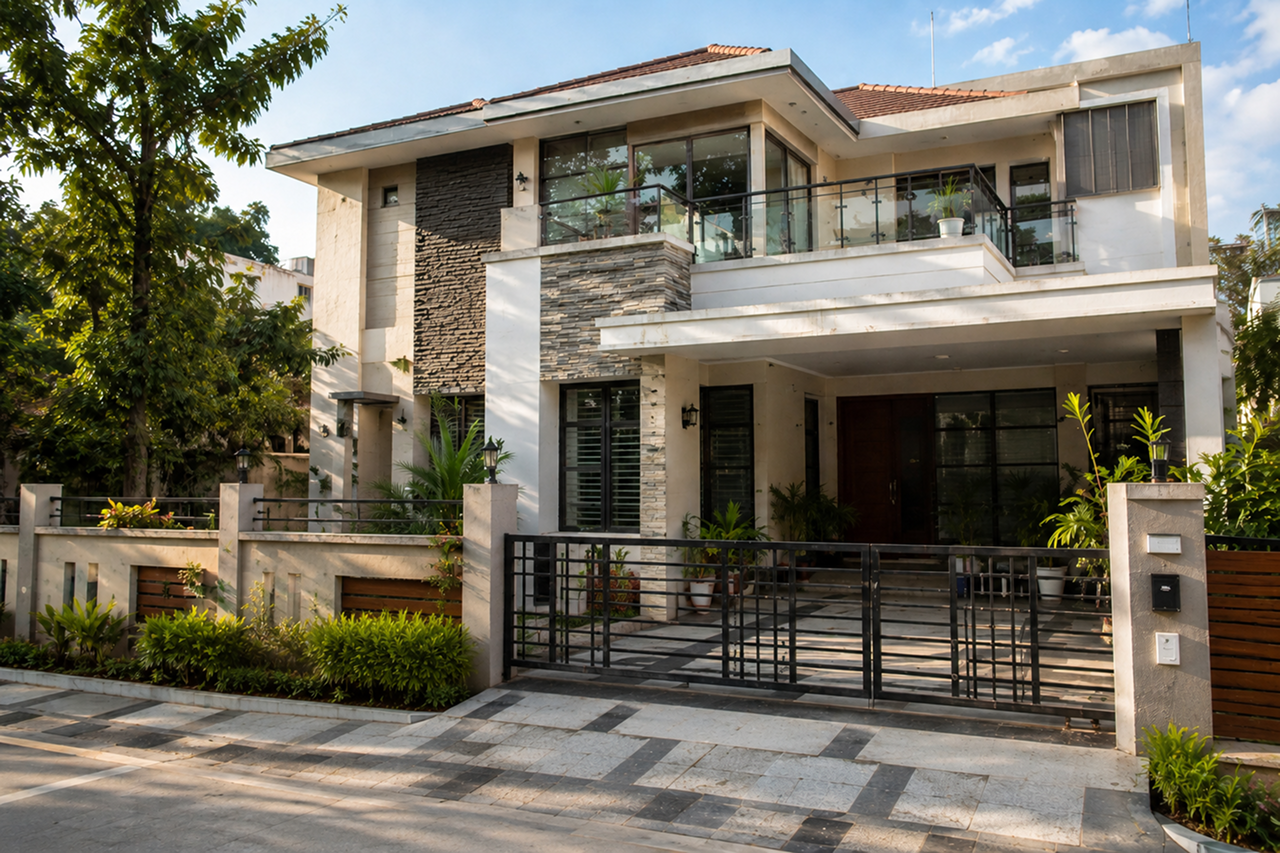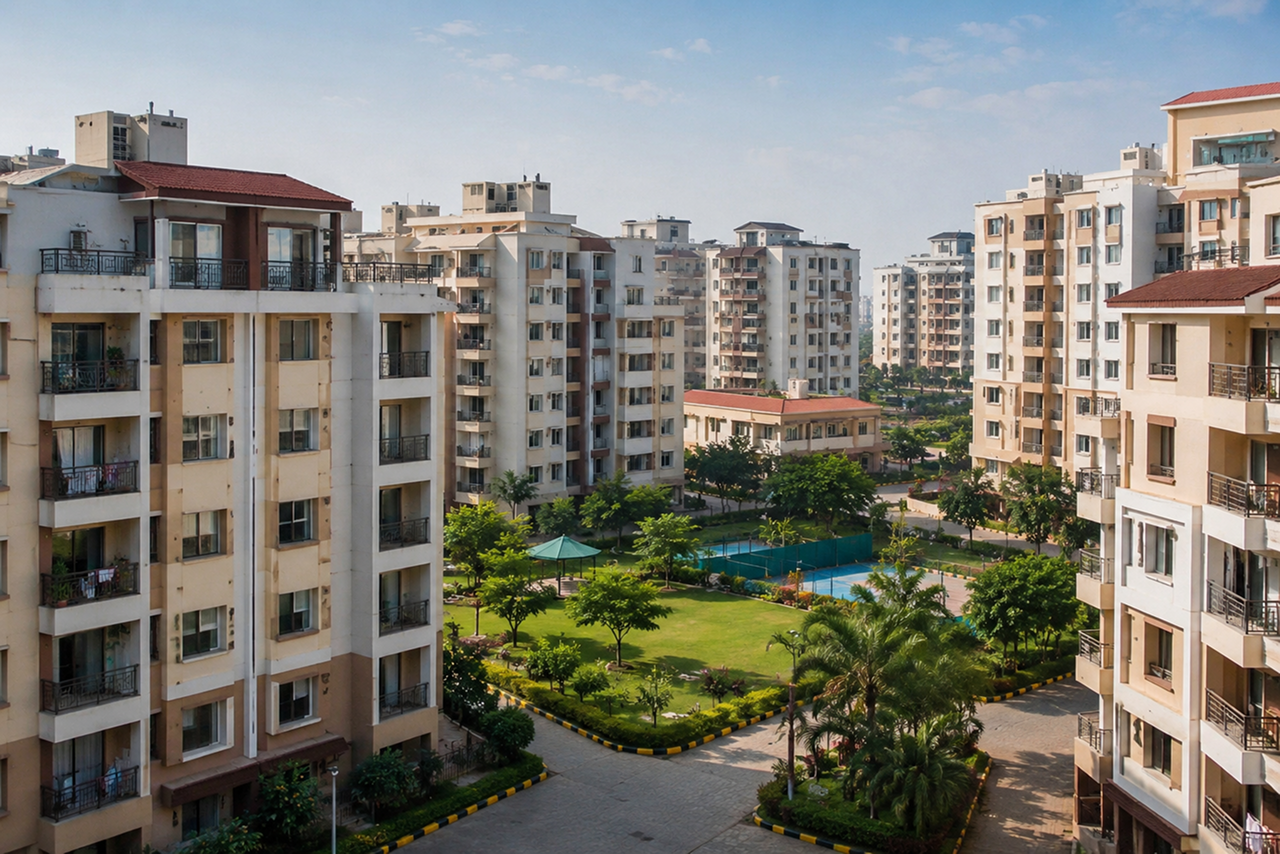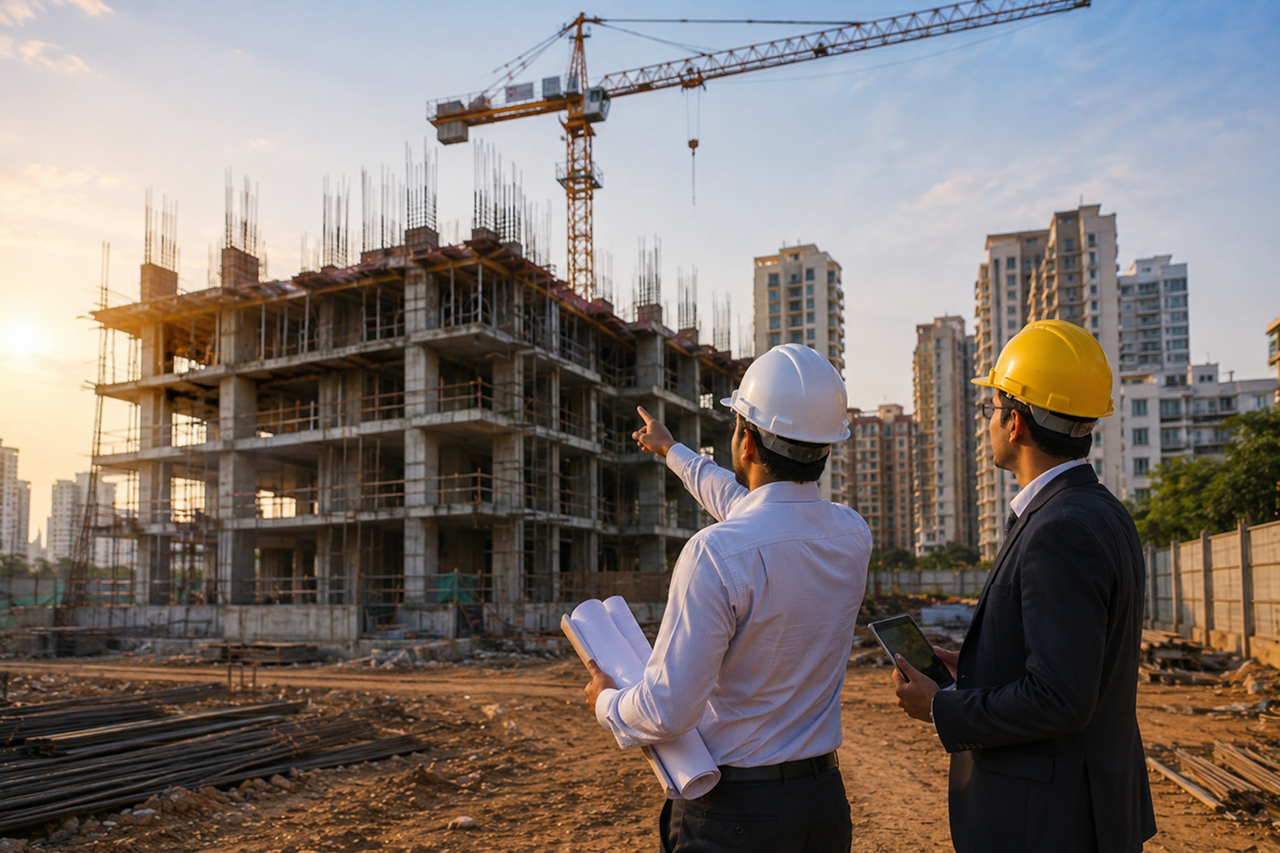
In the world of construction, material selection is one of the most consequential decisions a developer or homeowner will make. While the temptation to cut costs on materials is understandable in a budget-constrained project, the long-term consequences — in maintenance costs, structural failures, and depreciated property values — far outweigh any short-term savings. Premium construction materials are not an expense; they are an investment that pays compounding dividends over the life of the building.
Reinforced concrete structures derive their tensile strength from the steel reinforcement embedded within them. The difference between Fe 415 and Fe 500D TMT bars is not merely a matter of grade — it represents a fundamentally different level of seismic resistance, ductility, and corrosion protection that directly impacts occupant safety for the next 50–100 years.
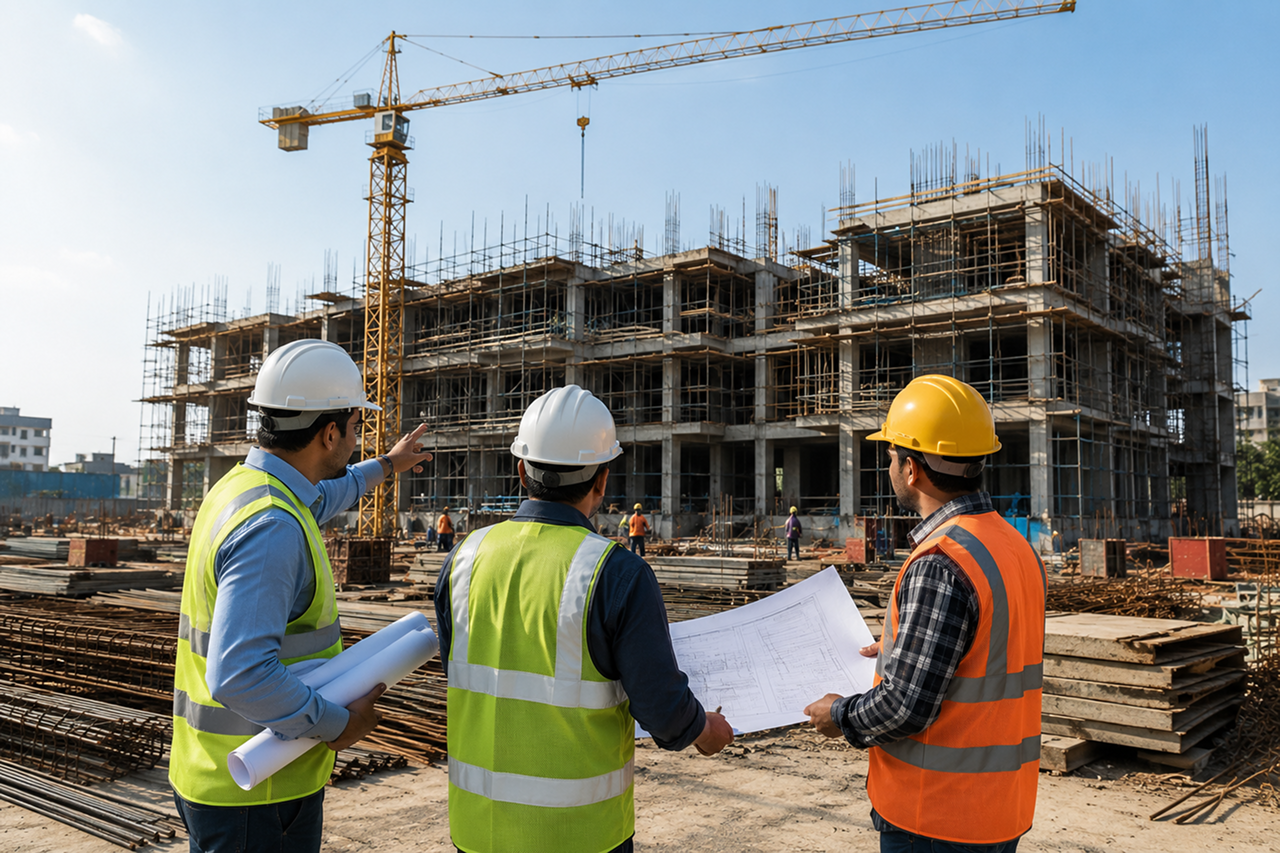
Not all cement is equal. OPC (Ordinary Portland Cement) 53 Grade offers significantly higher early strength compared to 43 Grade, while PPC (Portland Pozzolana Cement) provides superior long-term strength and reduced permeability — making it ideal for foundations, water tanks, and basement structures in Pune's black cotton soil terrain.
"Quality is remembered long after price is forgotten. In construction, a saving of ₹50,000 on inferior materials can cost ₹5,00,000 in repairs within a decade." — Amika Infratech Site Engineering Team
Ready Mix Concrete (RMC) with a properly designed mix ratio — verified through slump tests and cube strength tests — eliminates the variability of site-mixed concrete and ensures consistent structural performance across all elements. At Amika Infratech, every structural element undergoes mandatory cube testing at 7-day and 28-day intervals.

Water ingress is responsible for over 70% of all post-construction complaints in Indian buildings. Premium waterproofing systems — crystalline waterproofing for structural concrete, modified bitumen membranes for terraces, and polyurethane coatings for bathrooms — cost marginally more upfront but eliminate decades of expensive remediation work.
First-time visitors form their impression of a building's quality through its finishes — and nothing speaks louder than the quality of doors, windows, and hardware. Investing in solid core flush doors over hollow core, UPVC windows over aluminium, and SS 304 grade hardware over chrome-plated iron dramatically elevates the perceived and actual quality of the building.

The real estate market in India's tier-1 cities is increasingly sophisticated. Home buyers — especially the post-pandemic generation — are conducting due diligence that goes well beyond carpet area and amenities. They examine structural audit reports, check for IS-certified materials, and enquire about IGBC ratings. Buildings constructed with premium materials consistently outperform the market in resale value and rental yield.
At Amika Infratech, our material specification process is governed by a strict Quality Management Plan (QMP) that defines approved brands, grades, and testing protocols for every material category — from structural steel to sanitary ware. We believe that the trust a client places in us to build their home deserves nothing less than an unwavering commitment to material excellence. Because when the building outlives us all, the materials we chose will be its legacy.