Self-redevelopment has emerged as one of the most empowering options for cooperative housing societies in Pune and across Maharashtra. With land values at an all-time high and the Maharashtra government actively supporting the model through policy reforms, societies that take the self-redevelopment route can gain significantly more than through developer-driven redevelopment — in terms of carpet area, funds corpus, and control over construction quality. But it demands meticulous planning, the right expertise, and a firm understanding of the legal and financial landscape.
In traditional redevelopment, a society hands over its land to a developer who bears all costs in exchange for a portion of the sellable area. In the self-redevelopment model, the society itself acts as the developer — retaining full control of the project and capturing the developer's margin (typically 20–30% of project value) for the benefit of its members.
Navigating the legal framework is perhaps the most daunting aspect of self-redevelopment. Maharashtra's cooperative law requires specific resolutions, approvals, and registrations that must be completed in the correct sequence to avoid project delays or legal complications.
"Self-redevelopment without expert legal and technical guidance is like navigating Mumbai traffic without a map — possible, but unnecessarily stressful and risky." — Amika Infratech Consultancy Team
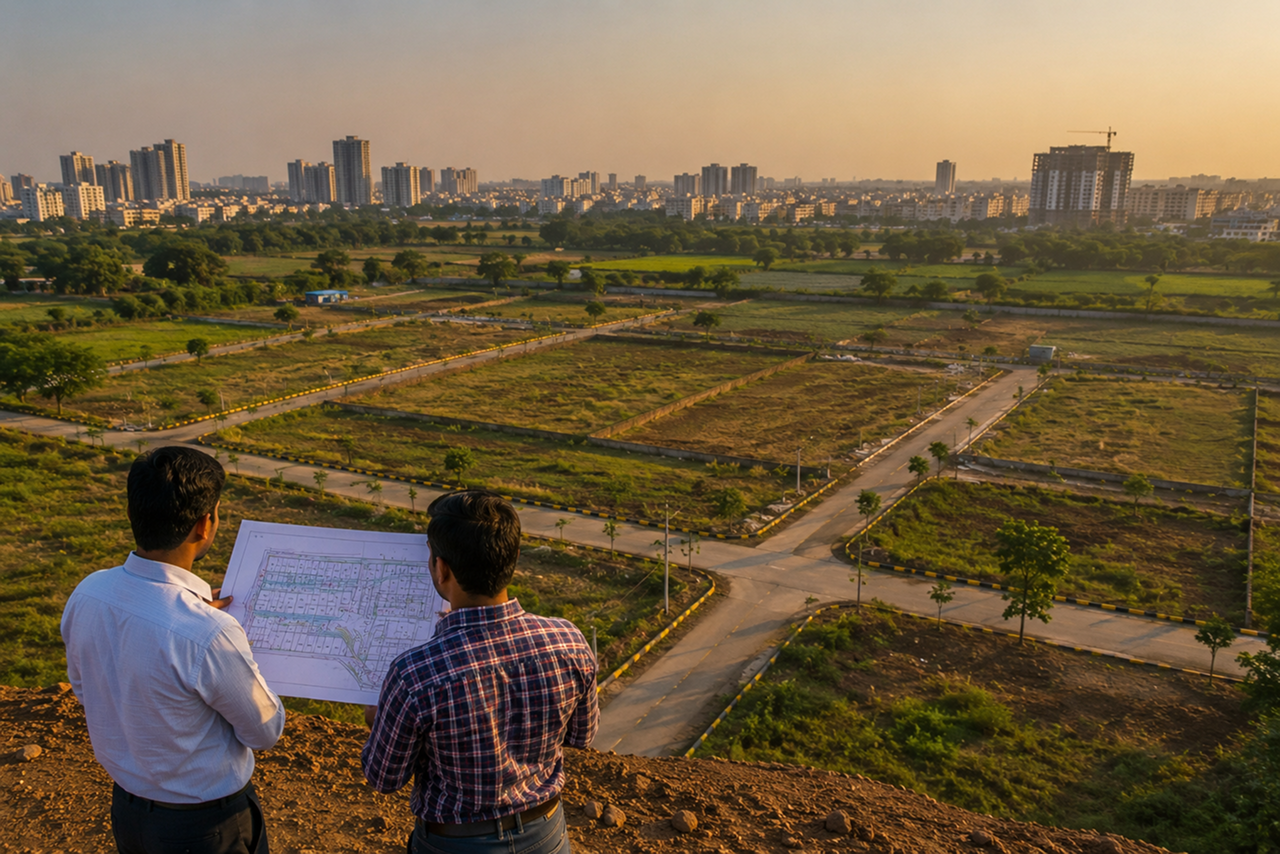
Financing is the central pillar of self-redevelopment viability. Maharashtra government has facilitated project loans from several nationalised and cooperative banks specifically for self-redevelopment societies. SBI, Bank of Maharashtra, Saraswat Bank, and Cosmos Bank are among the leading financiers in this space.
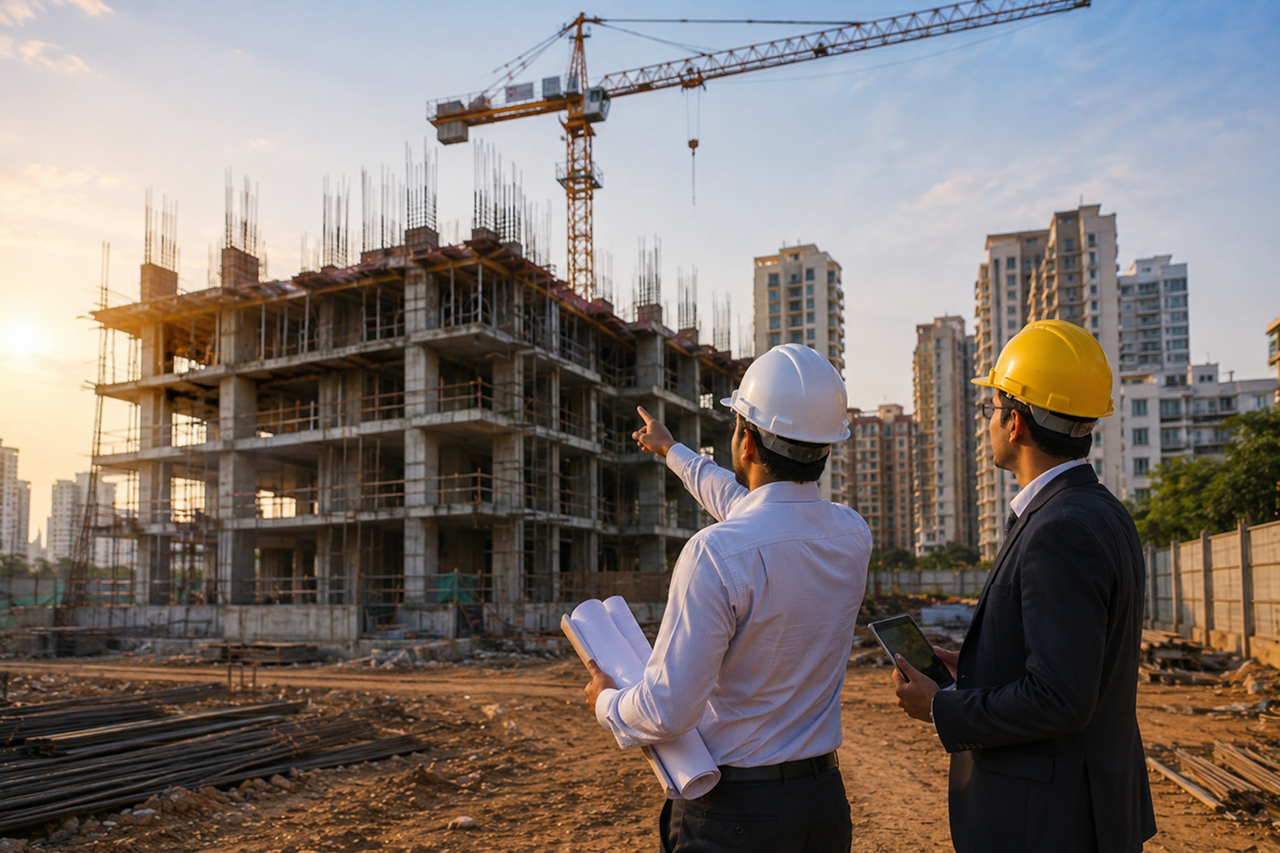
The Project Management Consultant (PMC) is the society's eyes and ears on site. Unlike a contractor who executes the work, the PMC independently monitors quality, verifies billing, and ensures the contractor adheres to approved drawings and specifications. Selecting a credible PMC is arguably the single most important decision a society will make.
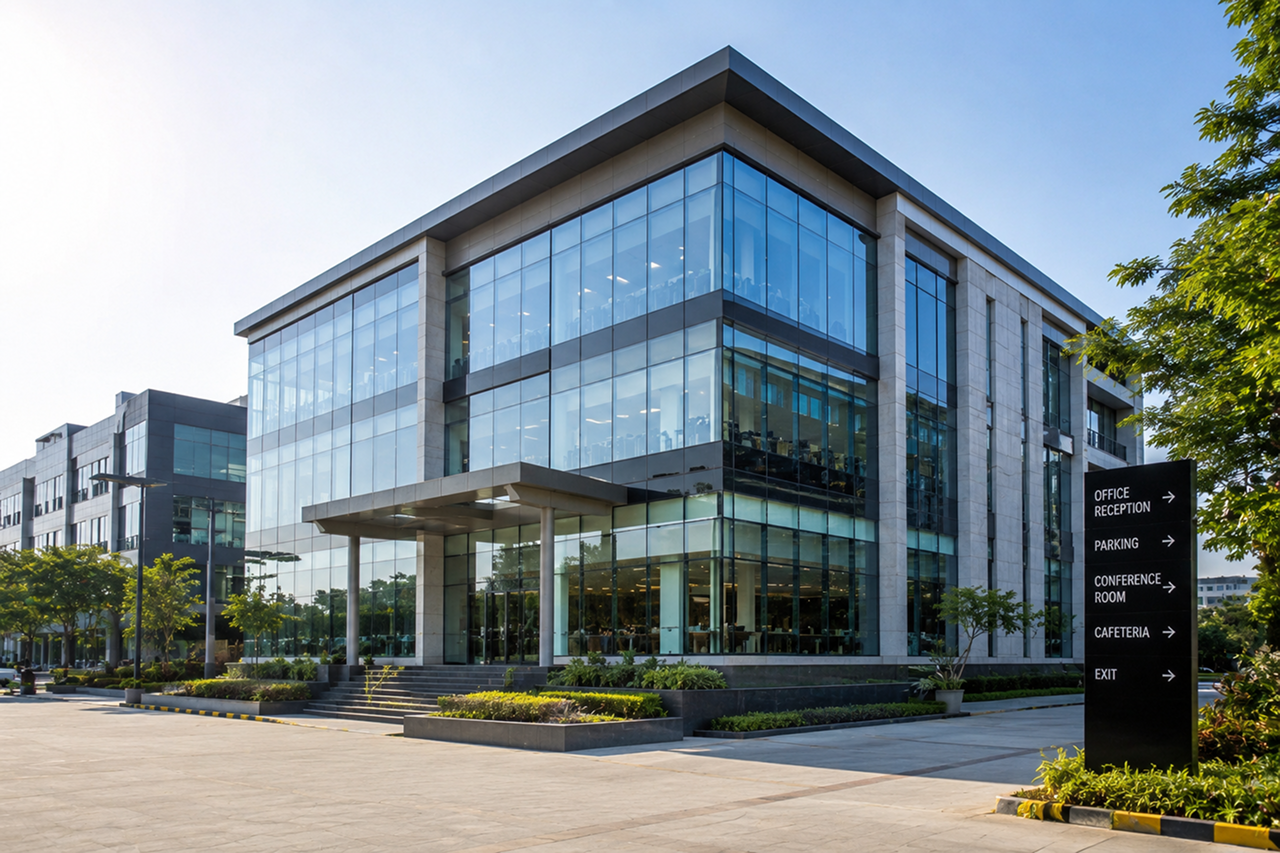
Amika Infratech has served as PMC for multiple self-redevelopment projects in Pune's Kothrud, Karve Nagar, and Aundh micro-markets, providing end-to-end supervision from design stage through possession. Our team ensures that every rupee of the project loan is deployed efficiently and that construction meets the structural standards specified in the drawings.
Members' wellbeing during the construction period is a critical responsibility. Transit accommodation arrangements must be locked in before demolition commences — ideally as part of the society's redevelopment resolution itself. Realistic timelines must be set and monitored rigorously.
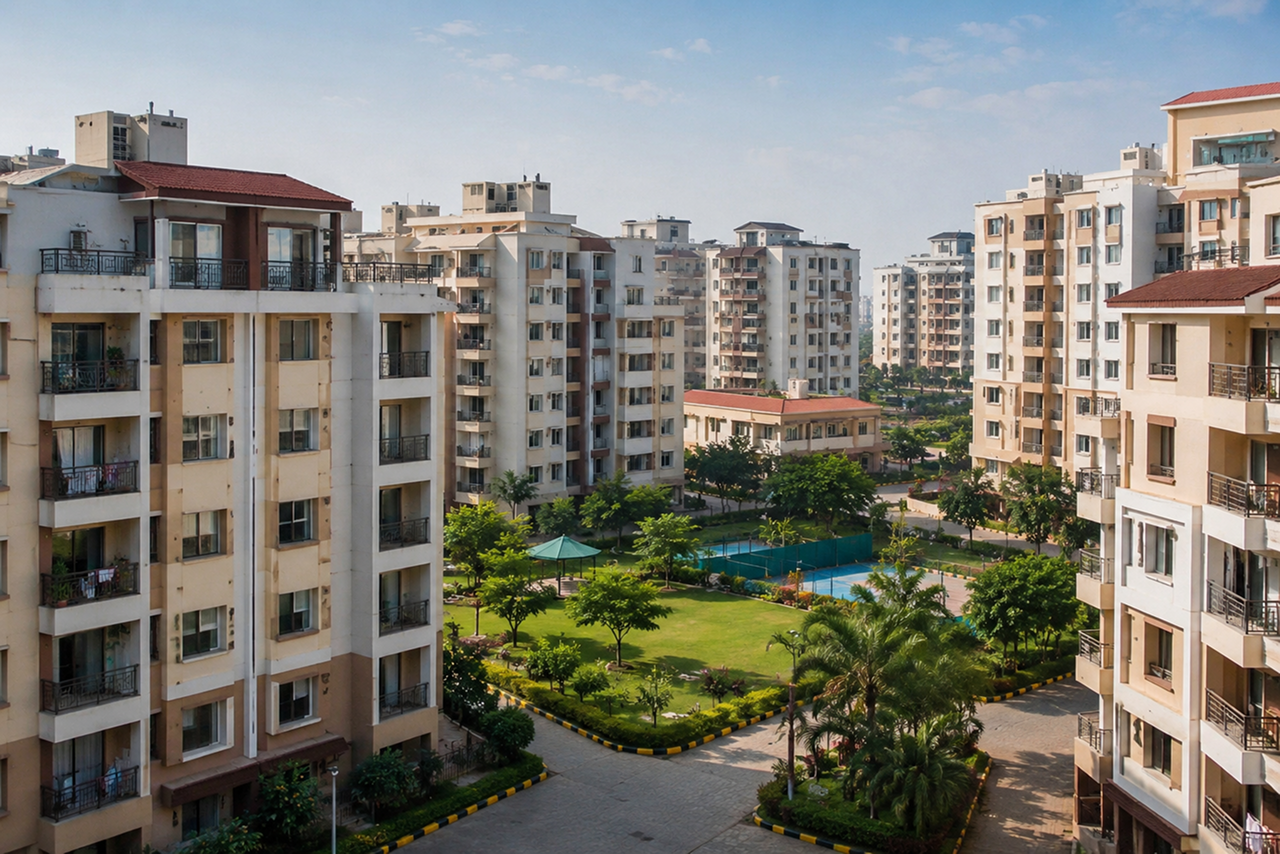
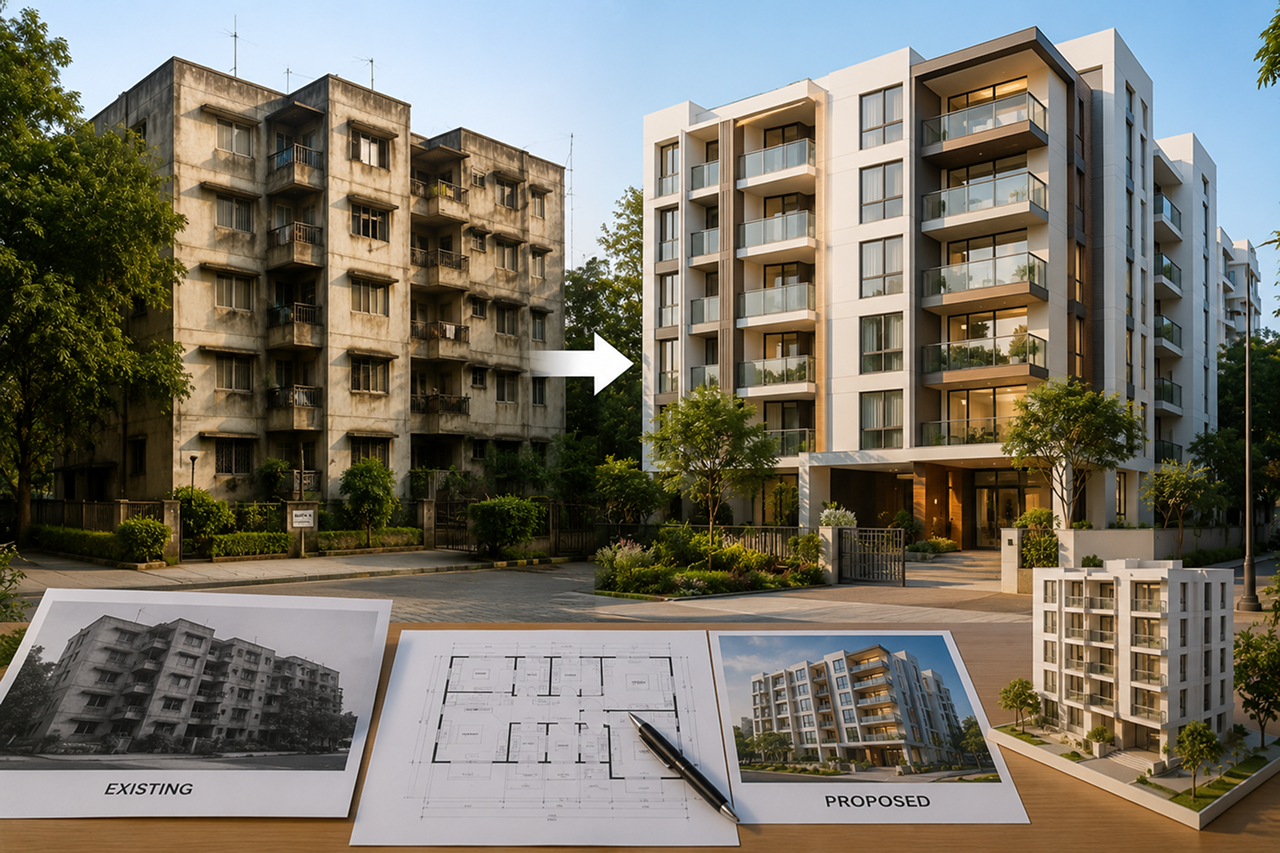
Self-redevelopment is a complex but extraordinarily rewarding path for Pune's housing societies. With the right team of professionals — a competent architect, a transparent PMC, and experienced legal counsel — societies can successfully transform ageing buildings into modern, spacious, energy-efficient homes while creating lasting financial value for all members. Amika Infratech is proud to be the trusted guide on this journey for numerous societies across the city.